Agricultural Rat Control Project

35-Day Agricultural Rat Knockdown Programme

Commercial Poultry Farm

A targeted, monitored approach to reducing rodent pressure on a working farm: finding where rats were living and getting in, treating the infestation, and proofing the buildings to keep them out.

Each Treatment Designed With

Purpose & Accuracy

Project Description

A commercial poultry farm was experiencing ongoing rat activity across the site, requiring a structured programme rather than a one-off treatment visit.

The objective was to identify the areas of greatest rodent pressure, establish a controlled knockdown programme and continually monitor the response of the rat population throughout the 35-day period.

Our approach was based on:

INVESTIGATE → CONTROL → MONITOR → ADAPT → PREVENT

Key Details

Case Study – Commercial Poultry Farm

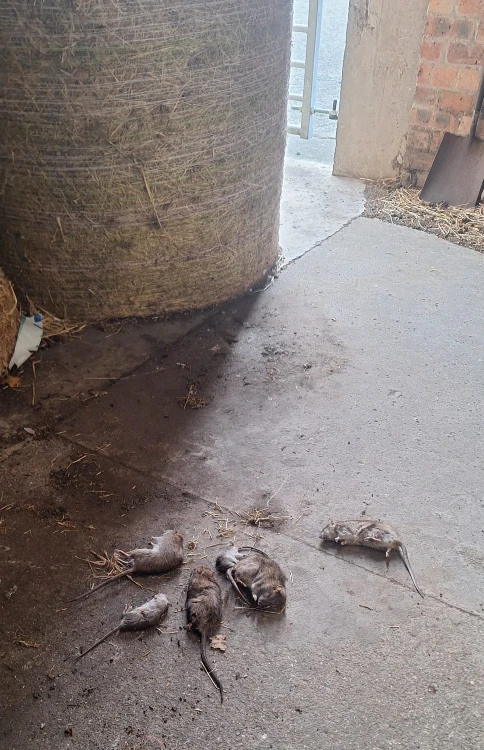
Rats were active in and around the farm buildings, including the barn where bales are stored. Stored forage gives rats food and shelter, and a single infestation can quickly spread across a site.

A RESULTS-LED APPROACH

This project demonstrates the importance of treating agricultural rodent control as an ongoing pest-management programme rather than a one-off treatment.

Every visit provided information about the behaviour and distribution of the remaining rat population.

By continually reviewing the evidence and adapting the programme, NW Scotland Effective Pest Control was able to concentrate control efforts where they were most needed while reducing unnecessary treatment in areas where activity had disappeared.

DAY 1 - Initial Assessment

The programme began with a detailed inspection of the farm to establish the extent and distribution of rat activity.

The initial inspection established the areas requiring the greatest level of monitoring and treatment.

A structured 35-day treatment and monitoring programme was then implemented.

Internal and external areas were assessed for:

Monitoring and Targeted Control

Throughout the programme, bait consumption and signs of activity were monitored closely.

Treatment points were not simply left in their original positions regardless of changing conditions.

Where bait remained untouched in areas where activity had reduced, it was recovered and redirected towards areas showing stronger evidence of current rat activity.

This allowed the programme to remain targeted and responsive as the infestation changed.

Fresh signs, bait acceptance and changes in rat movement were used to determine where additional attention was required.

Internal Activity

As the programme progressed, rat activity reduced significantly throughout many of the internal areas.

Some continued activity was identified at higher levels within the poultry sheds, requiring additional monitoring and treatment attention.

Treatment was recovered from dormant areas and redirected towards locations where current activity was being identified.

This ensured the programme continued to follow the remaining rat population rather than continuing to treat areas where activity had already reduced or stopped.

External Activity

External areas showed a significant reduction in rat activity as the programme progressed.

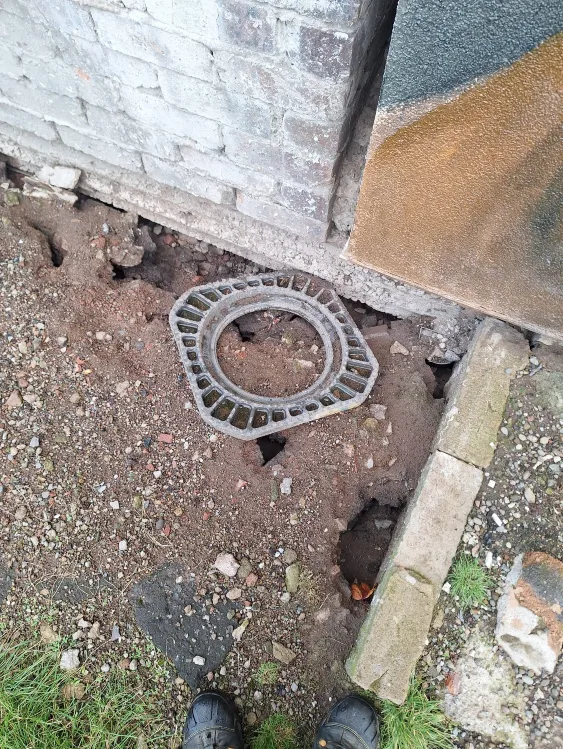
Previously active areas were regularly monitored for fresh signs of movement and burrow activity.

As the programme continued, a number of previously active burrows showed no evidence of continued use.

Areas of previous rat movement also showed signs of becoming inactive.

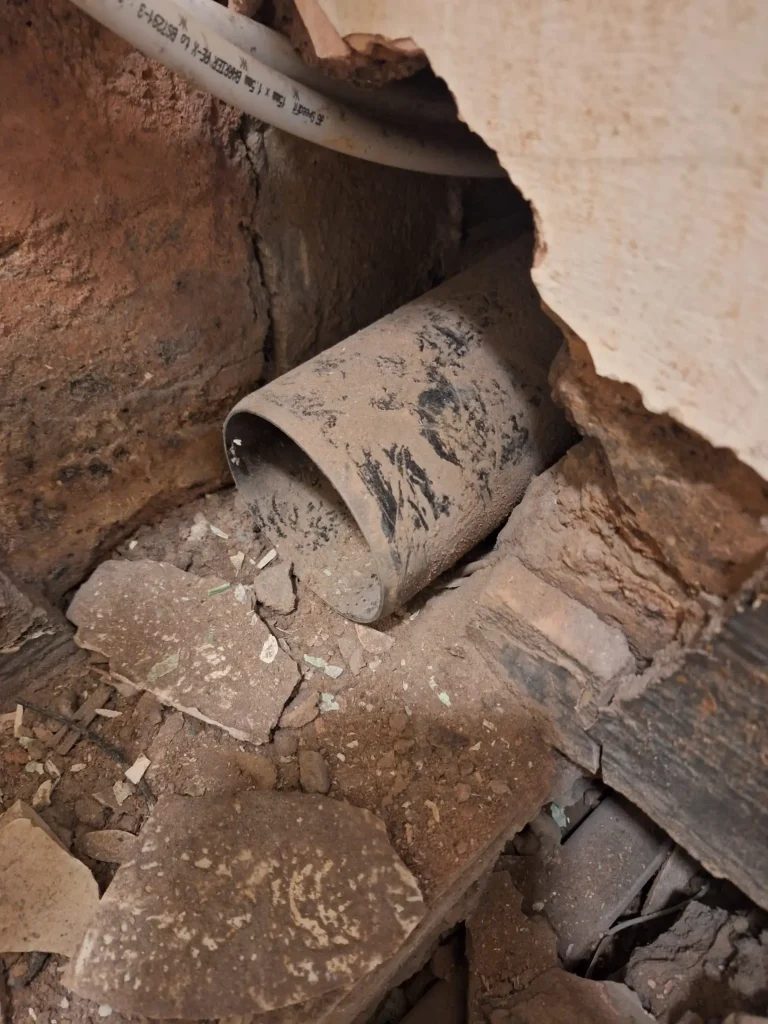
Continued external monitoring was used to identify any fresh signs that could indicate renewed activity or possible ingress.

Continual Reassessment

A key part of the programme was that every visit was used to reassess the situation.

The treatment programme was adapted according to what was being found on site.

At each stage we considered:

This allowed the programme to become increasingly focused as rat activity reduced.

Following a successful knockdown programme, continued monitoring remains important to identify any renewed rat activity at an early stage.

Agricultural environments are constantly changing. Feed availability, livestock movements, building use, weather conditions and activity on surrounding land can all influence rodent pressure.

The objective is therefore not simply to reduce the current infestation, but to establish an effective long-term rodent management programme.

THE RESULT

By the later stages of the 35-day programme, rat activity had reduced substantially across the farm.

Internal activity had reduced considerably in many areas, while external signs of activity had also fallen significantly.

Previously active external burrows were showing signs of inactivity, and areas that had previously shown rat movement were being monitored for any fresh evidence of ingress.

Remaining activity was concentrated in specific areas, allowing continued pest management to become increasingly targeted.

WHY A 35-DAY PROGRAMME?

Agricultural rodent infestations can be complex, particularly on working farms where livestock, feed, buildings and surrounding land can provide rats with continued opportunities to survive.

A structured programme provides the opportunity to:

A Full Circle Approach

Toward Pest Prevention

Our approach combines detailed inspection, documented monitoring, targeted control and practical prevention measures to provide farms with a clear record of how their pest-management programme is being managed.