Commercial Pest Control

Commercial Rooftop Capping

A targeted, monitored approach to reducing rodent pressure on a commercial premises: finding where rats were living and getting in, treating the infestation, and proofing the buildings to keep them out.

Case Study – Commercial Premises

Initial Site Assessment

The project begins with a detailed inspection of the premises and surrounding areas.

This can include:

The purpose is to establish where the pest pressure is coming from and how pests are gaining access to the premises.

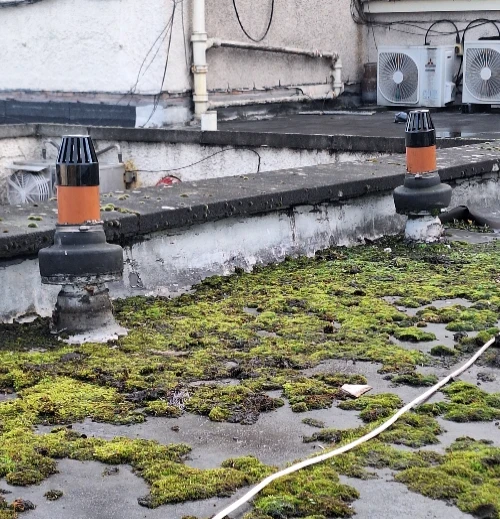
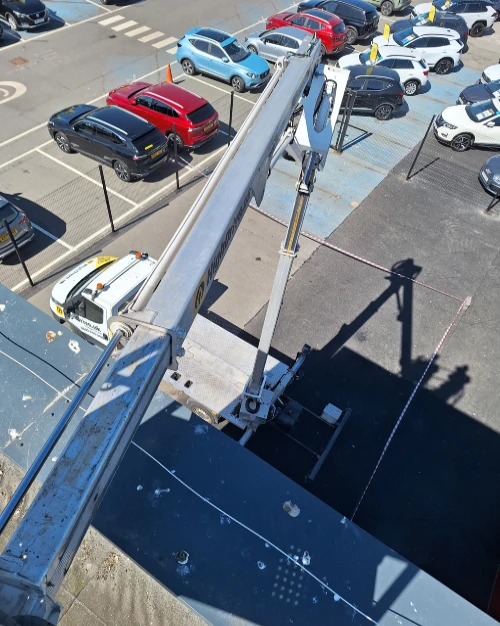
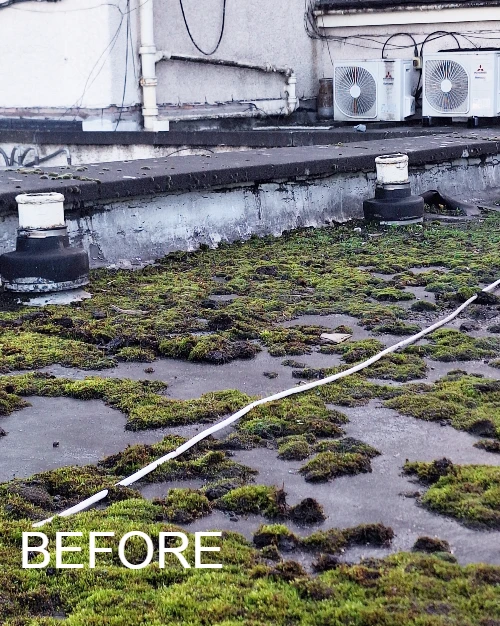
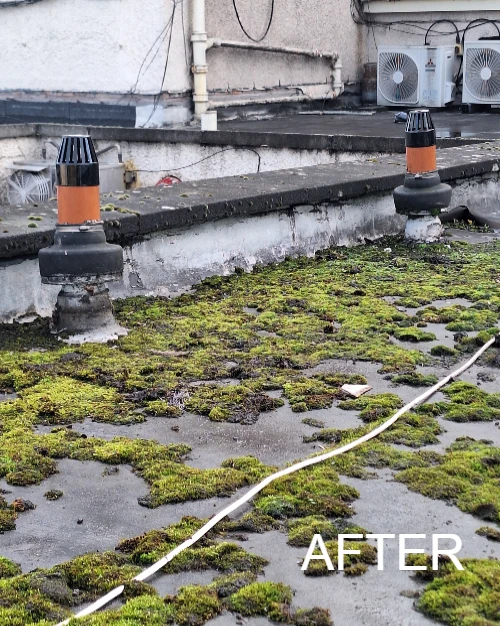
NW Pest Control Roof Capping BEFORE NW Pest Control Roof Capping AFTER

Monitoring

A monitoring programme is then established based on the risks identified during the inspection.

Monitoring can include:

Information gathered during visits is used to determine where further action is required.

Targeted Control

Control measures are selected according to the pest, environment and level of risk.

Rather than treating every area in the same way, control is targeted towards areas where evidence of pest activity has been identified.

This helps reduce unnecessary pesticide use while maintaining effective pest management.

Where rodenticides are required in appropriate commercial or agricultural environments, their use is managed responsibly and in accordance with product authorisation, legislation and CRRU principles.

Prevention

A major part of commercial pest management is preventing future activity.

Recommendations may include:

Documentation

Commercial pest control also requires evidence.

Each programme can provide a documented record of:

This creates a clear history of the pest management programme and helps businesses demonstrate that pest risks are being actively managed.

On-going Review

Pest pressure can change throughout the year.

For this reason, commercial programmes are continually reviewed rather than treated as a one-off service.

Changes in weather, building use, stock movement, neighbouring properties, construction work and food availability can all influence pest activity.

Regular monitoring allows these changes to be identified and acted upon.

THE RESULT

The objective of a commercial pest management programme is to create a controlled environment where pest activity is identified early, risks are addressed and preventative measures are continually improved.

Our approach is:

INVESTIGATE → MONITOR → CONTROL → PREVENT → REVIEW

Protecting More Than the Premises

Effective commercial pest control protects more than a building.

It can help protect:

A Full Circle Approach

Toward Pest Prevention

Our approach combines detailed inspection, documented monitoring, targeted control and practical prevention measures to provide farms with a clear record of how their pest-management programme is being managed.